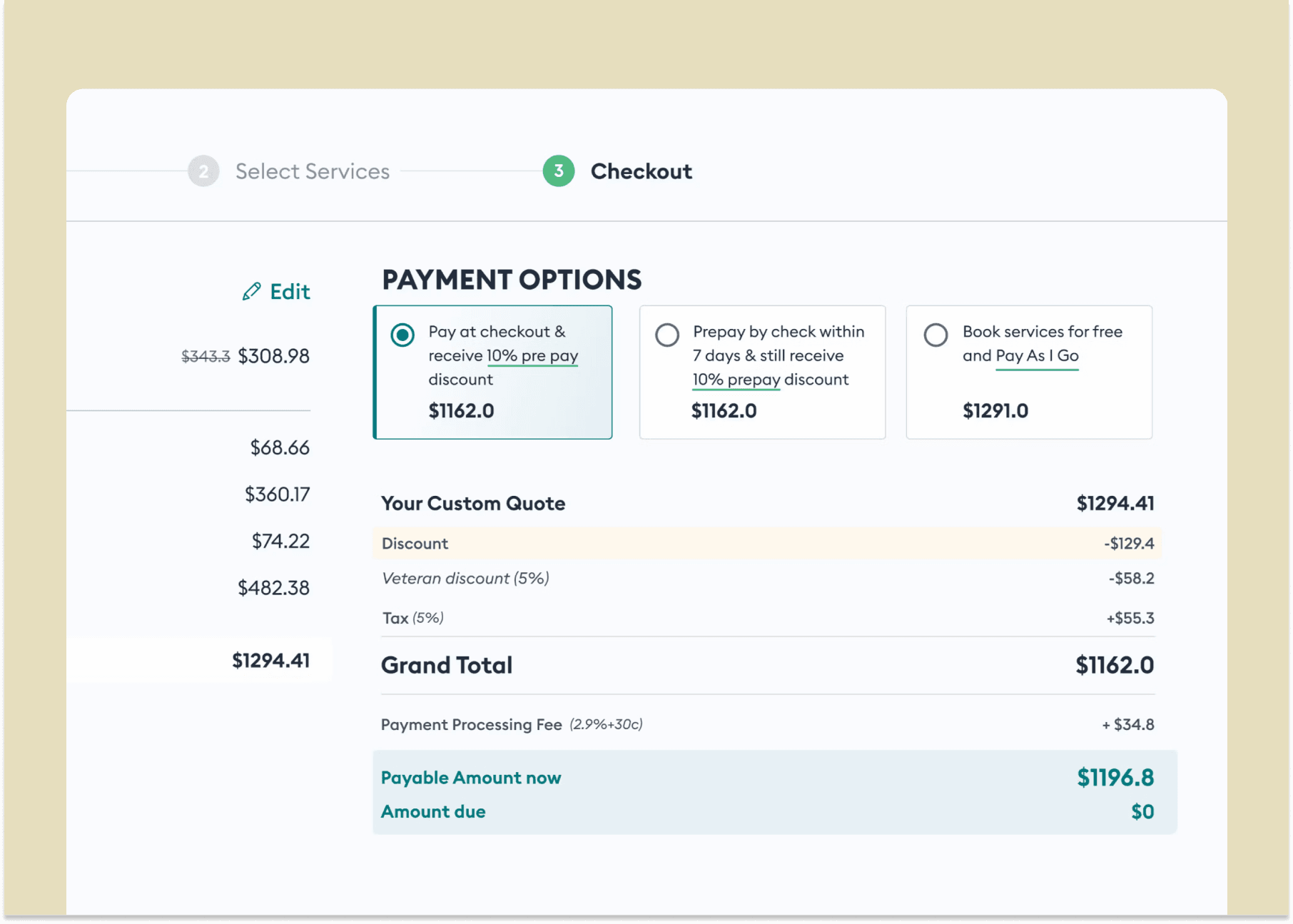
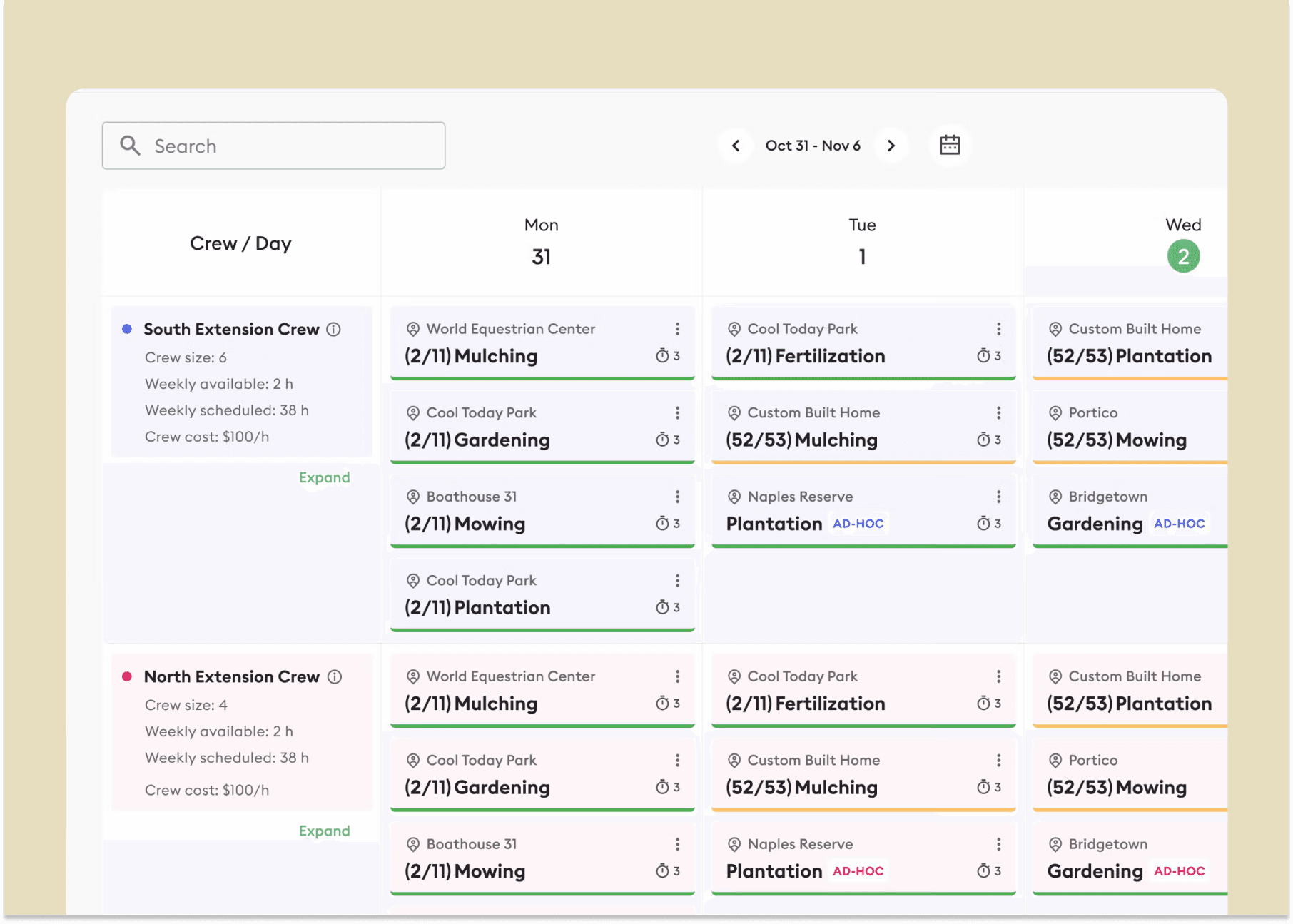
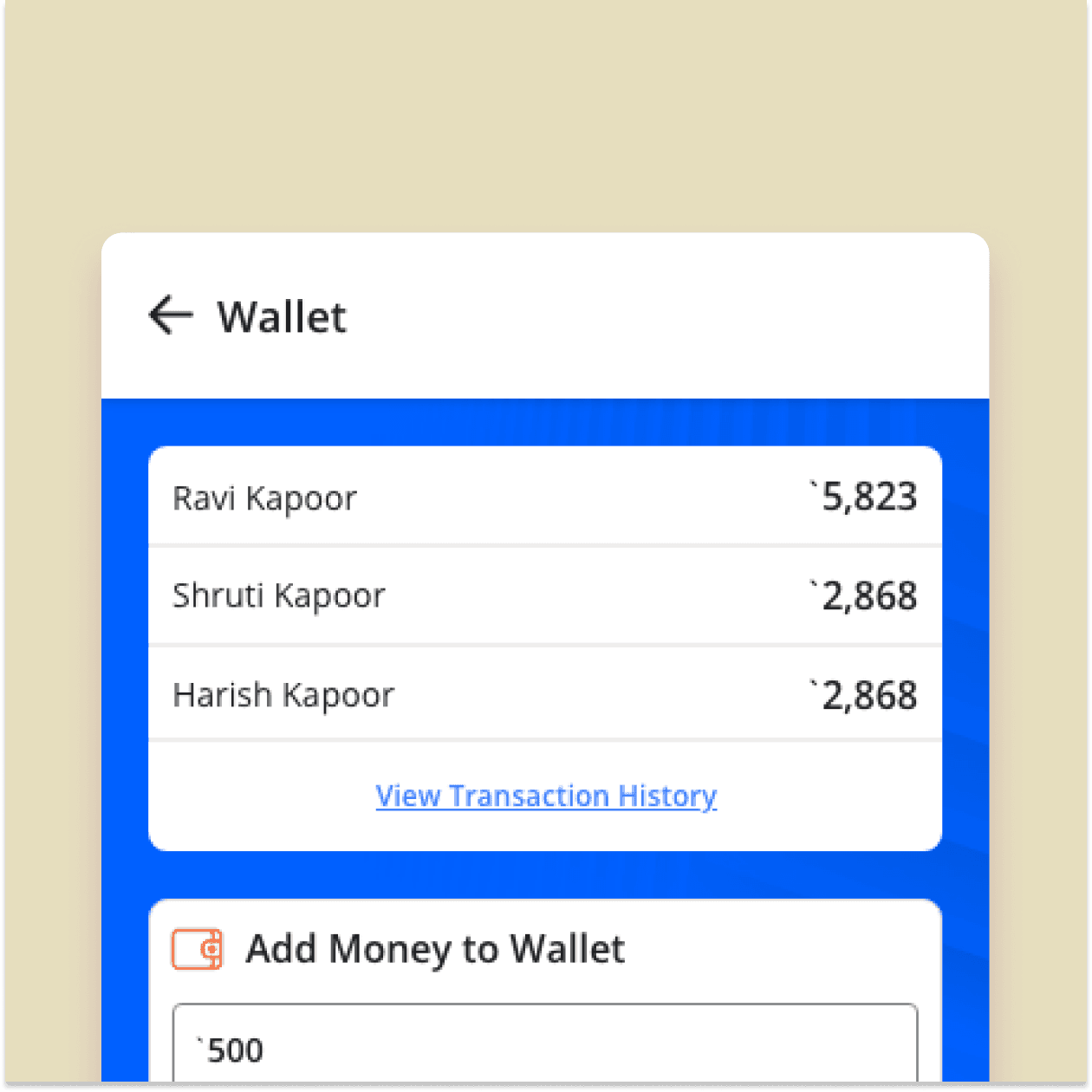
STEM Design System: Saving around 600+ design and development hours
STEM Design System: Saving around 600+ design and development hours
Design System Vertical | LIVE
Design System Vertical | LIVE
Our first lovechild product was a hit, but as we launched more products, we started to see inconsistencies in our existing design system. See how designers and developers thrived to save 600hrs of development time.
Our first lovechild product was a hit, but as we launched more products, we started to see inconsistencies in our existing design system. See how designers and developers thrived to save 600hrs of development time.
View full article

Mobile version under development. Please view on desktop only.
Mobile version under development. Please view on desktop only.
Mobile version under development. Please view on desktop only.
Introduction
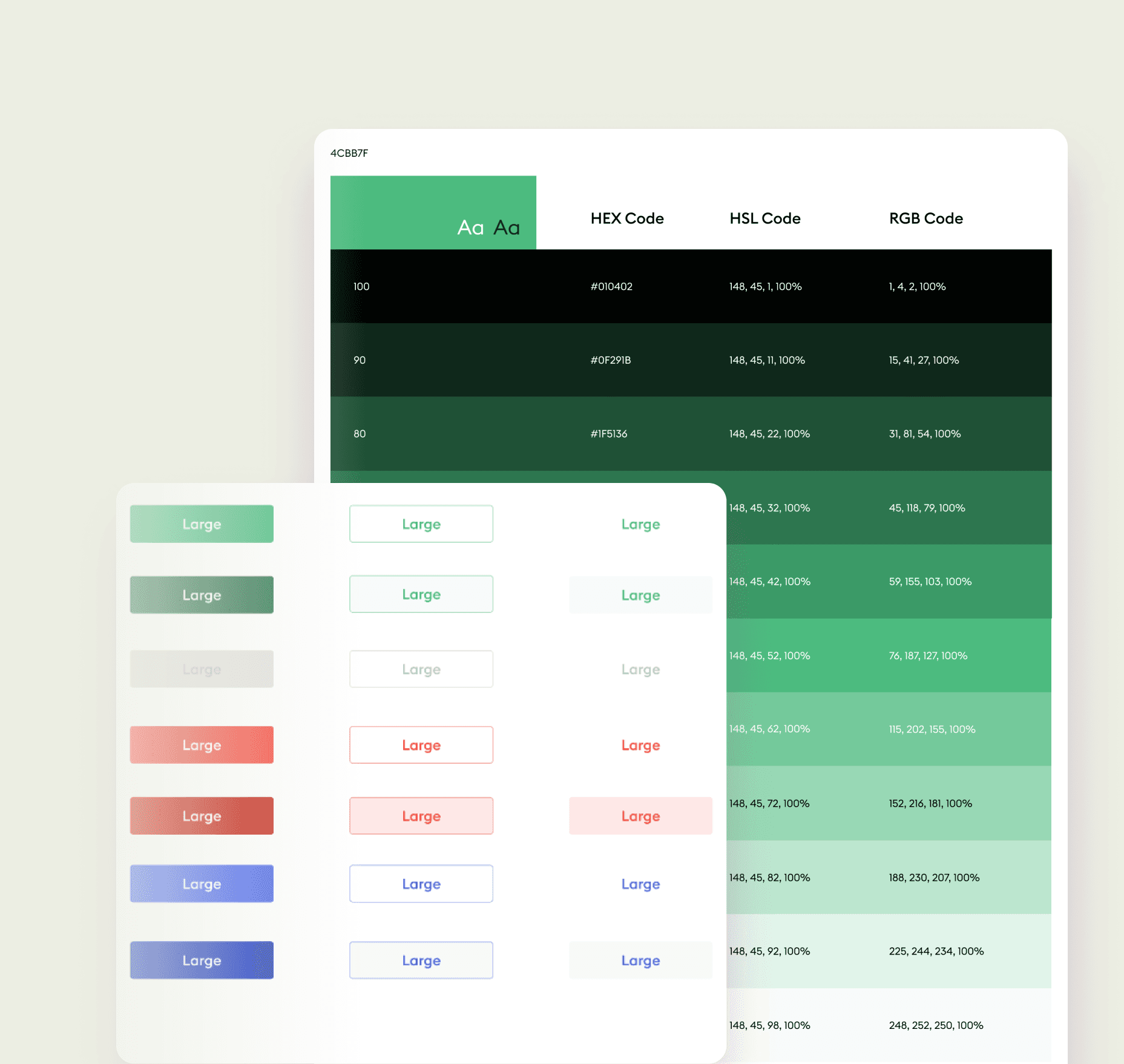
To help you understand what we have in store for you, allow me to first explain a design system. Considered a library, design systems consist of reclaimable modules with explicit usage criteria that can be shared amongst designers and front-end engineers. It walks one through how and when to utilize the existing modules along with ready-to-use codes by giving instructions.
Attentive Designing Team’s aim is to forge and enhance the design maturity each day. There is a vast spectrum of design work facing banishment to the dusty backlog, thus resulting in a design debt. With the launch of our first lovechild product in the market, we anticipated many more to follow. However, it wasn’t long before we noticed the inconsistencies that our existing system bore.
Moreover, the lack of a uniform and codified framework at Attentive caused commotion among the Designers, Developers, and Product Managers that worked by teaming up together.
And since Attentive offers B2B software solutions, our product’s lifecycle mostly lasts quite longer compared to that of a consumer solution.
Graphic Designers must be mindful about avoiding the latest trends in designing while they design a B2B system, considering that they might run their course a little too soon. Even more so when the system is intended to be used for the next 15-20 years. The trick here would be to come up with and accentuate a visual design that is a seemingly timeless, natural, and allows professional resumption of the system’s legacy.
In addition to that, we also deliberated the “complexity” of our system. The degree of complexity that B2B systems offer is usually higher than that of B2C systems, which depends upon countless factors - from multiple data states to the integration of the system with other software, and everything in-between. And hence, the decisions pertaining to design, in turn, go on to have a great impact on the system’s complexity as it has its own prerequisites.
Why Did We Choose the Name STEM?
Think of a plant and the various parts that it has. First, we have the stem which is responsible for the task of carrying water and minerals (design system as a common language in this case) from roots to leaves. The branches are Design and Development teams. The leaves can be considered as individual members who contribute to using and building the DS. And finally, we have flowers that are basically our products that reach fruition after using the DS.

View full article